By Grand Rapids Construction. Updated November 12, 2026.
1. Write down the operating objective
State the goal in operating terms: "add a third line by March without losing second-shift output", not "build an addition". That one sentence decides the phasing, the hours and often the budget.
2. Map what the work will touch
- Lines and cells near the work, and their shifts
- Forklift and pedestrian routes
- Dock doors and delivery times
- Utilities that pass through the area: power, air, water, gas, sprinklers
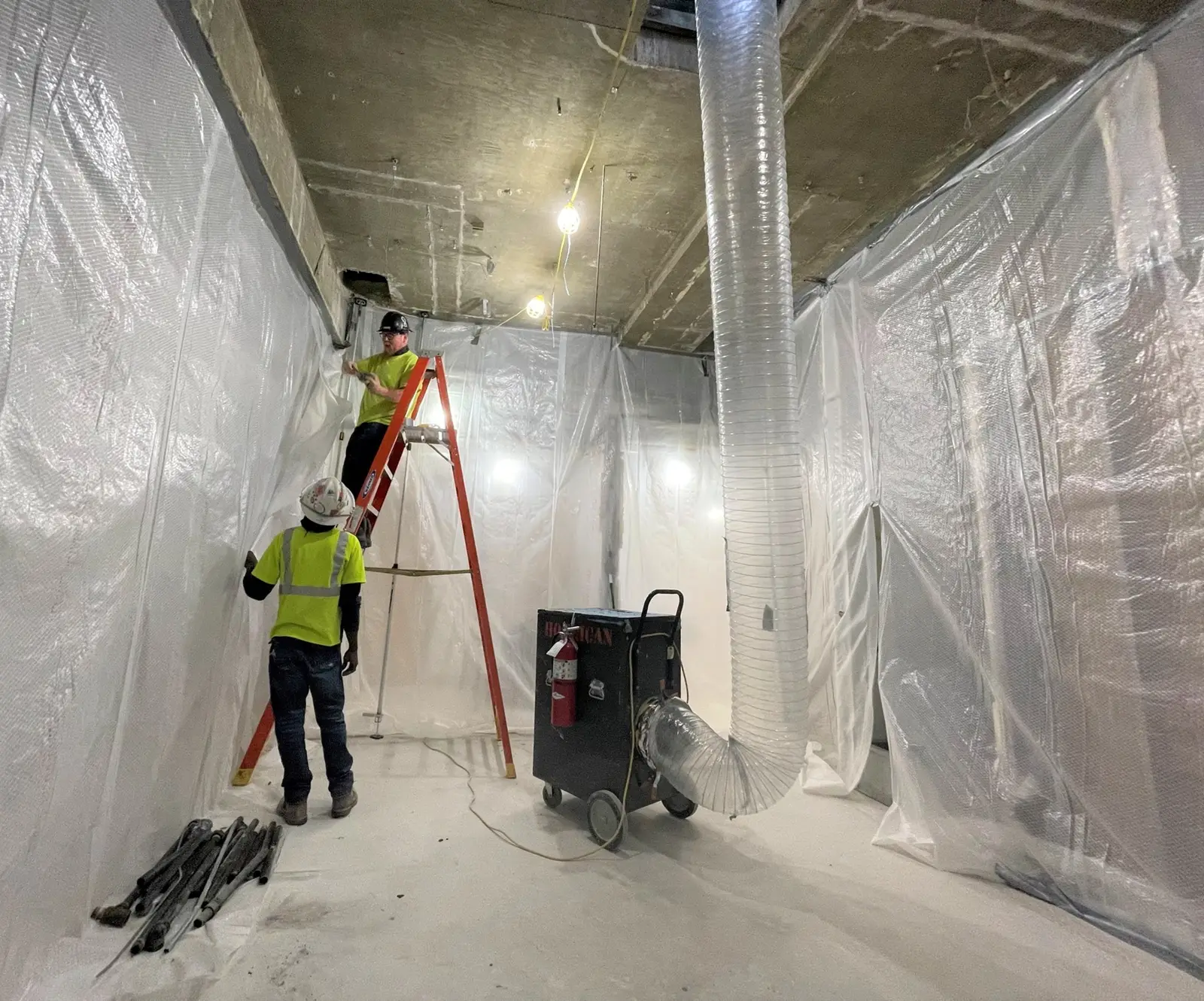
- Dust, vibration or temperature limits for product and equipment
3. Separate phased work from shutdown work
Most work can be phased behind a barrier. Some cannot: utility tie-ins, work over a running line, a sprinkler system drained for a change. List those tasks, how long each needs, and match them to planned downtime. Order long-lead materials early enough that a shutdown is never spent waiting for a delivery.
4. Split equipment and building responsibilities
The equipment vendor knows the machine. The contractor builds the foundation, utilities and openings it needs. Write down who provides each connection, to what point, and who verifies it. Gaps here are the most common cause of a delayed startup.
5. Agree how unknowns are handled
Old buildings hide things: an undocumented pipe, a thin slab. Agree up front that unexpected conditions are stopped, photographed, priced and approved before work continues, and name the person on your side who can approve quickly.
When you need a professional
New loads on a floor or structure, changes to exits, and changes to fire protection need a licensed engineer or architect and usually a permit. In food or regulated production, your quality and safety team reviews the separation plan.